
Equine Joint Health: 10 Powerful Herbs for Horses


Joint health forms the foundation of a horse’s quality of life, performance, and longevity. Whether your equine partner competes at high levels, enjoys trail rides, or lives as a cherished senior companion, challenges such as osteoarthritis, stiffness, inflammation, and reduced flexibility can significantly impact comfort and mobility. Conventional veterinary care provides essential diagnostics and treatments, yet many horse owners seek complementary natural options to enhance well-being. High-quality herbs deliver anti-inflammatory, analgesic, circulatory, antioxidant, and tissue-supporting properties that align with the body’s innate healing processes.
This expanded guide examines ten standout herbs for equine joint health. It details their key mechanisms, historical applications, and specific advantages for horses, empowering you to make informed decisions alongside your veterinarian.
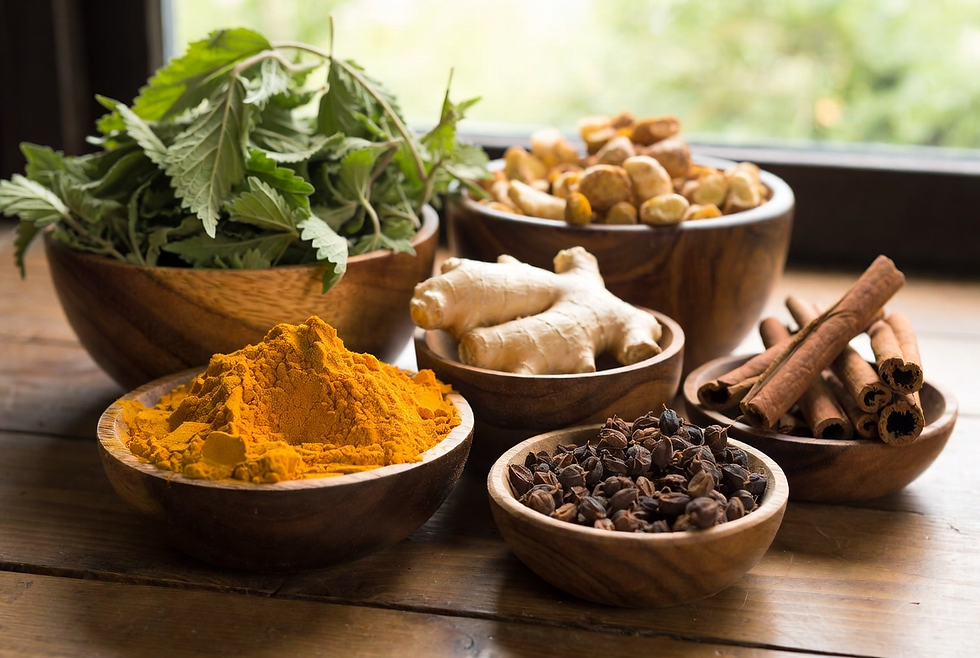
Turmeric (Curcuma longa)
Turmeric earns acclaim as the “golden spice” largely due to curcumin, its primary bioactive compound. Curcumin exerts potent antioxidant and anti-inflammatory effects, while also reducing enzymes that degrade cartilage. Research in horses with osteoarthritis indicates that curcumin helps lower inflammatory markers, supports improved lameness scores, and promotes joint comfort. Horse owners frequently observe greater ease of movement in arthritic or post-exercise animals. Turmeric further benefits digestion, liver function, and immune balance, contributing to overall vitality. Its protective influence on joint tissues makes it a cornerstone in many natural joint protocols.
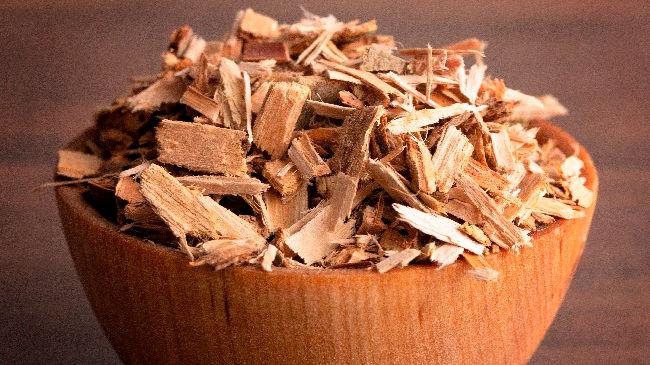
White Willow Bark (Salix alba)
White willow bark serves as nature’s precursor to aspirin, containing salicin that the body converts into salicylic acid. This provides analgesic and anti-inflammatory benefits for joint pain, stiffness, and conditions like osteoarthritis. Unlike synthetic counterparts, it often proves gentler on the digestive system, supporting longer-term comfort. Equine herbalists frequently recommend it for older horses experiencing reduced flexibility, bone spavin, or mobility limitations. Its ability to soothe discomfort during routine activities and daily turnout adds practical value. When combined with other supportive herbs, white willow bark contributes to a more balanced approach to pain management.
Boswellia Frankincense (Boswellia serrata)
Boswellia resin supplies boswellic acids that modulate inflammatory pathways, thereby reducing swelling and discomfort while helping preserve cartilage. Ayurvedic traditions have long employed this resin for arthritis and musculoskeletal issues, and it adapts effectively to equine use. Practitioners and owners value Boswellia for promoting comfort in chronic arthritis, muscle soreness, and general stiffness. It offers support without common gastrointestinal concerns linked to some conventional options. In blended formulas, Boswellia enhances joint function through complementary actions with other botanicals, making it especially suitable for performance horses and aging equines seeking sustained mobility.
Horsetail (Equisetum arvense)
Horsetail distinguishes itself through high silica content, vital for collagen production, connective tissue integrity, and bone mineralization. Silica strengthens cartilage, tendons, ligaments, hooves, and skin—key elements for horses facing degenerative joint changes or structural wear. This mineral support aids tissue resilience and flexibility, benefiting performance animals recovering from exertion as well as seniors dealing with cumulative stress. Horsetail complements other nutrient-dense herbs to foster robust structural health from within.
Meadowsweet (Filipendula ulmaria)
Meadowsweet abounds in natural salicylates, tannins, and flavonoids that deliver gentle anti-inflammatory and soothing effects. Traditional herbalists prize it for joint comfort paired with digestive protection, rendering it ideal for horses that experience both musculoskeletal issues and gastric sensitivity. It helps maintain comfort in muscles and joints for veteran horses or those recovering from strain. Its astringent qualities further assist digestive balance, creating a versatile herb for comprehensive wellness. Meadowsweet integrates seamlessly into blends aimed at supporting active lifestyles in sensitive equines.

Nettle Leaf (Urtica dioica)
Nettle leaf functions as a nutrient-rich tonic packed with vitamins, minerals, and compounds that help regulate inflammatory cytokines involved in joint degradation. It promotes balanced responses to inflammation, supports circulation, and may alleviate allergy-related factors that intensify discomfort. Horses with arthritis or chronic stiffness often display enhanced comfort and energy when nettle features in their regimen. As a nourishing herb, it bolsters vitality while addressing pain and swelling, proving valuable in daily herbal support.
Ginger (Zingiber officinale)
Ginger’s gingerols and shogaols impart warming, anti-inflammatory, and circulatory advantages. It assists in easing muscle and joint soreness after activity while promoting digestive efficiency and recovery. Improved blood flow ensures better delivery of oxygen and nutrients to joint tissues. Its warming character enhances overall mobility and palatability in herbal mixtures. Ginger proves particularly helpful for horses needing support after intense work or those with metabolic considerations that indirectly affect joint health.
Safflower Petals (Carthamus tinctorius)
Safflower petals encourage blood circulation, provide antioxidant protection, and offer traditional support for rheumatism and tissue trauma. They promote vessel dilation, tissue oxygenation, and comfort in areas affected by stiffness or reduced flow. The colorful petals contribute visual appeal to mixes while delivering subtle circulatory and anti-inflammatory contributions, rounding out comprehensive joint formulas.

Hawthorn Berry (Crataegus pinnatifida)
Hawthorn berries contain flavonoids that fortify blood vessels, optimize cardiac performance, and improve micro-circulation. Enhanced blood flow facilitates nutrient transport to joints and efficient clearance of metabolic byproducts—especially advantageous for conditions involving poor peripheral circulation, such as navicular issues or laminitis. Mild anti-inflammatory and antioxidant actions further protect connective tissues. Hawthorn shines in supporting older or hardworking horses that require integrated cardiovascular and joint assistance.
Cinnamon Bark (Cinnamomum cassia)
Cinnamon supplies antioxidant and anti-inflammatory compounds along with properties that aid metabolic regulation. For horses prone to insulin challenges and associated joint stress (such as laminitis), it helps modulate inflammation and supports balanced blood sugar responses. Its warming qualities boost circulation and improve the appeal of herbal blends.

How to Incorporate These Herbs
These herbs are most commonly used in dried, ground, or powdered form for easy mixing. Simply add the herbs directly to your horse’s daily grain, soaked beet pulp, or wet mash, where they mix well and are readily accepted by most horses. Because the herbs work through complementary pathways, using a single herb alone typically delivers only modest results. Their true power emerges when combined— anti-inflammatory leaders (Turmeric and Boswellia) pair effectively with soothing analgesics (White Willow bark and Meadowsweet), structural builders (Horsetail and Nettle), and circulation enhancers (Ginger, Hawthorn, Cinnamon, and Safflower).
This balanced approach often provides the most noticeable support for long-term equine joint comfort and mobility. Herbal synergies mirror the body’s multifaceted needs, addressing inflammation, pain, repair, and nourishment simultaneously. Custom formulations tailor these interactions to individual horses—whether for maintenance, recovery, or senior care. Help your equine companion thrive naturally, one step at a time.


Comments